
Seasons
Every photograph on this site was taken between March and May, so we sort birds by season from our 315 Texas eBird checklists instead.
A species is listed as most often in a season when it is on a larger share of that season's checklists than of the whole year's. It also has to be on at least two of them. Captions give the month and place each photo was taken. Birds we have photographed only outside Texas are left out.
Spring March to May
Most migrating shorebirds pass through Austin from March to May. Golden-cheeked Warblers arrive in March to nest in mature Ashe juniper and oak woods.
150 of our 315 Texas checklists, with 181 species on them.
Most often in spring
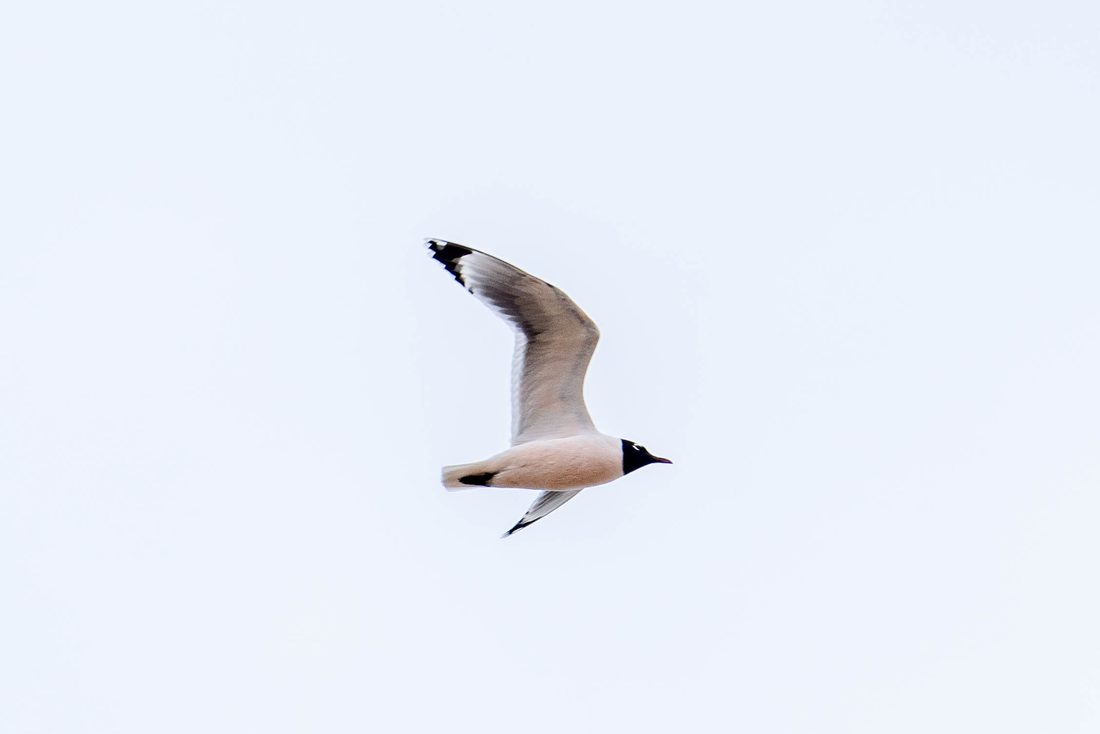
Franklin's Gull
On 14 of our 150 spring checklistsPhoto: Windy Point, Lake Travis, Apr 2023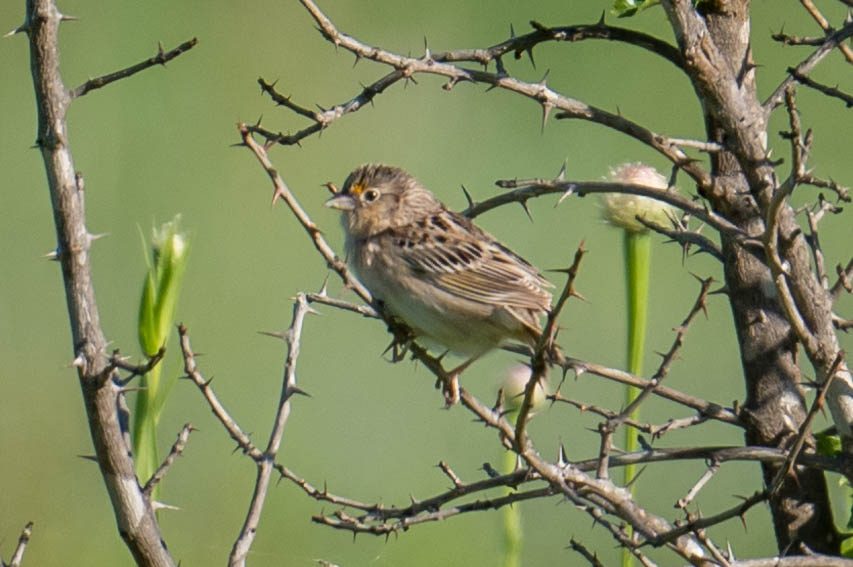
Grasshopper Sparrow
On 4 of our 150 spring checklistsPhoto: Commons Ford Ranch, Apr 2023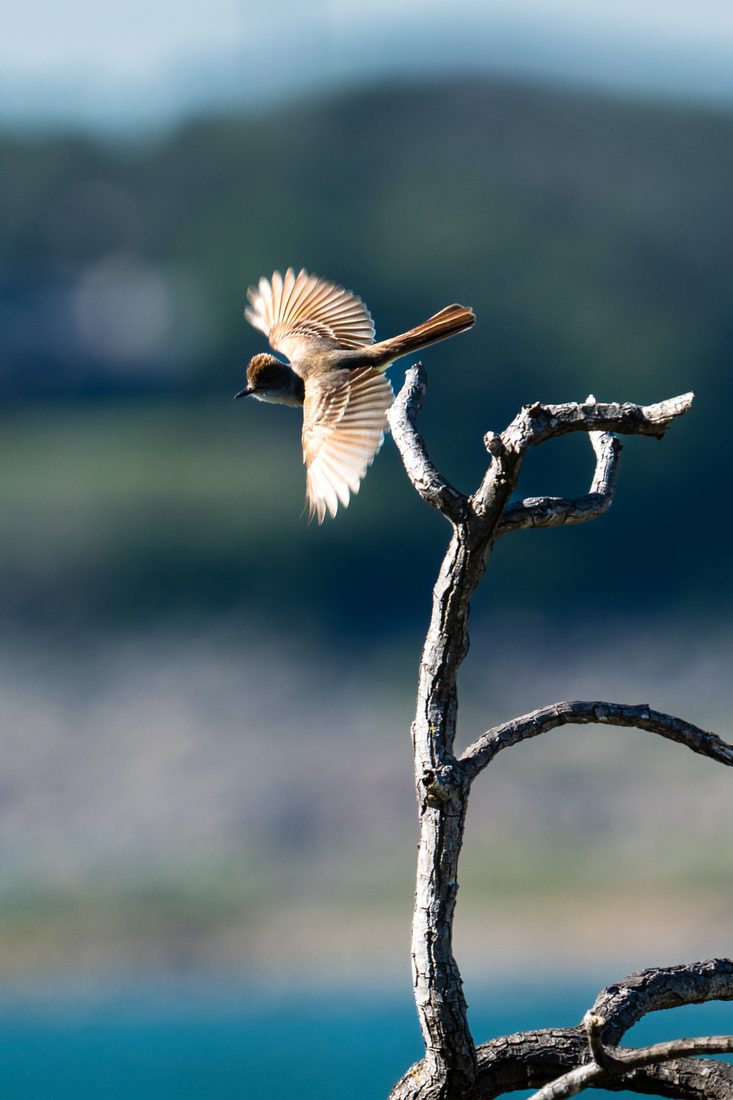
Ash-throated Flycatcher
On 3 of our 150 spring checklistsPhoto: Windy Point, Lake Travis, May 2025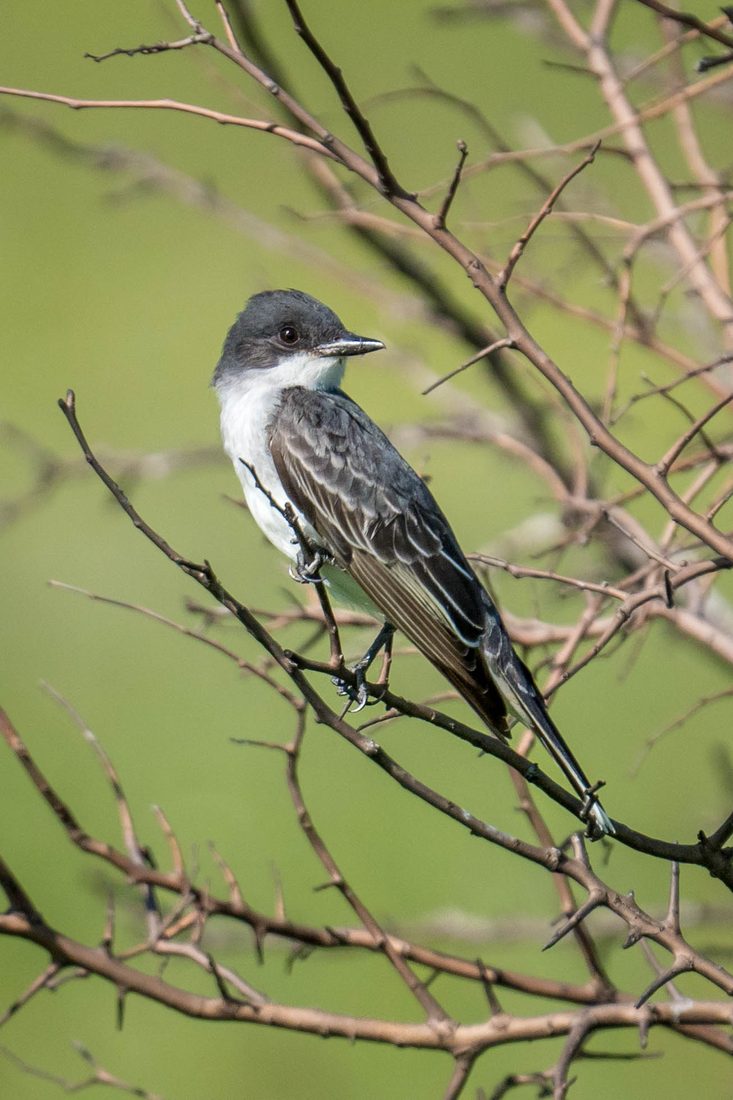
Eastern Kingbird
On 3 of our 150 spring checklistsPhoto: Commons Ford Ranch, Apr 2023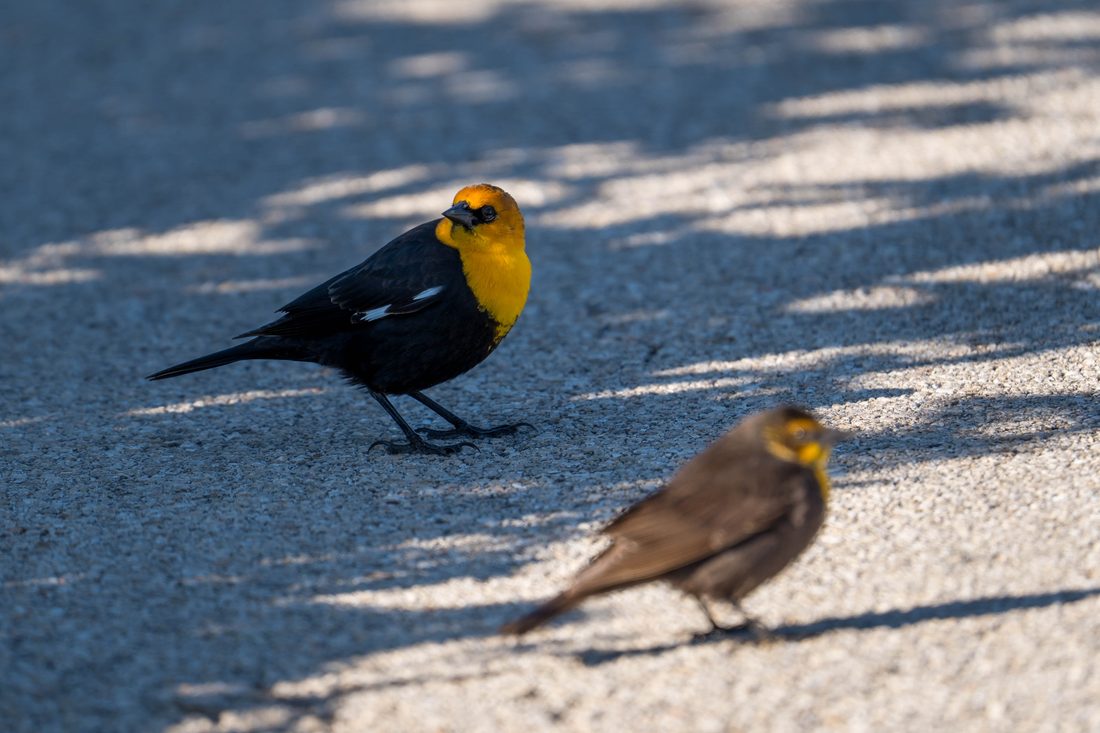
Yellow-headed Blackbird
On 3 of our 150 spring checklistsPhoto: Hornsby Bend, Apr 2023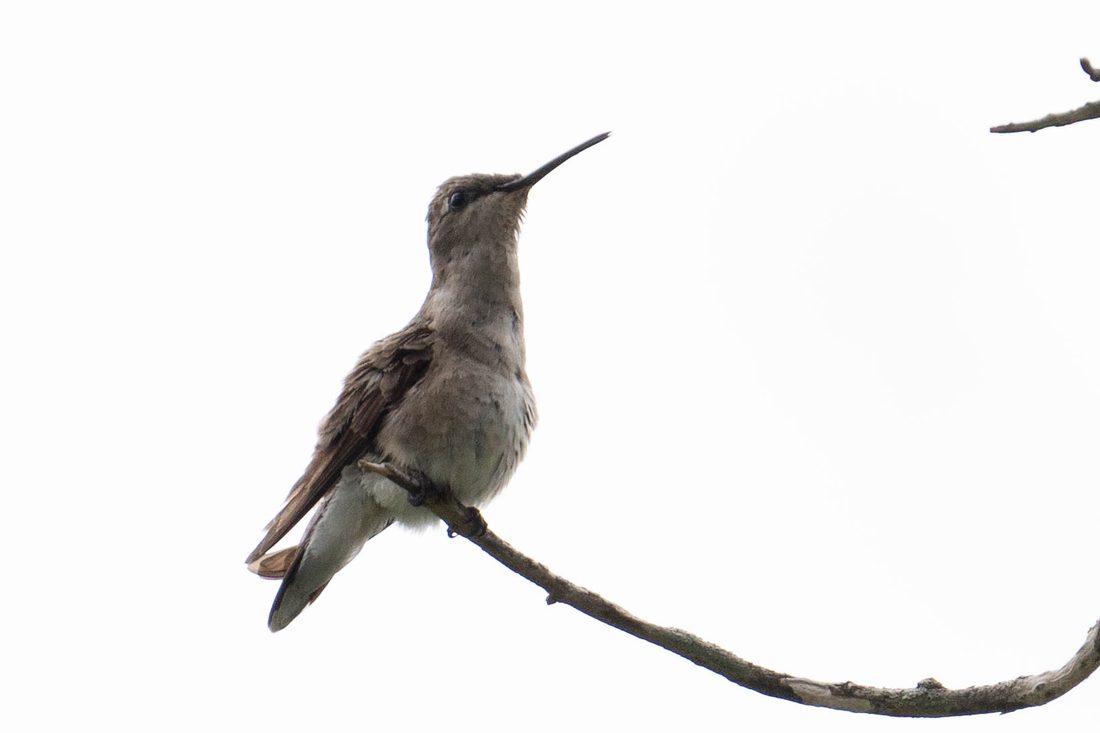
Ruby-throated Hummingbird
On 2 of our 150 spring checklistsPhoto: Austin area, Apr 2023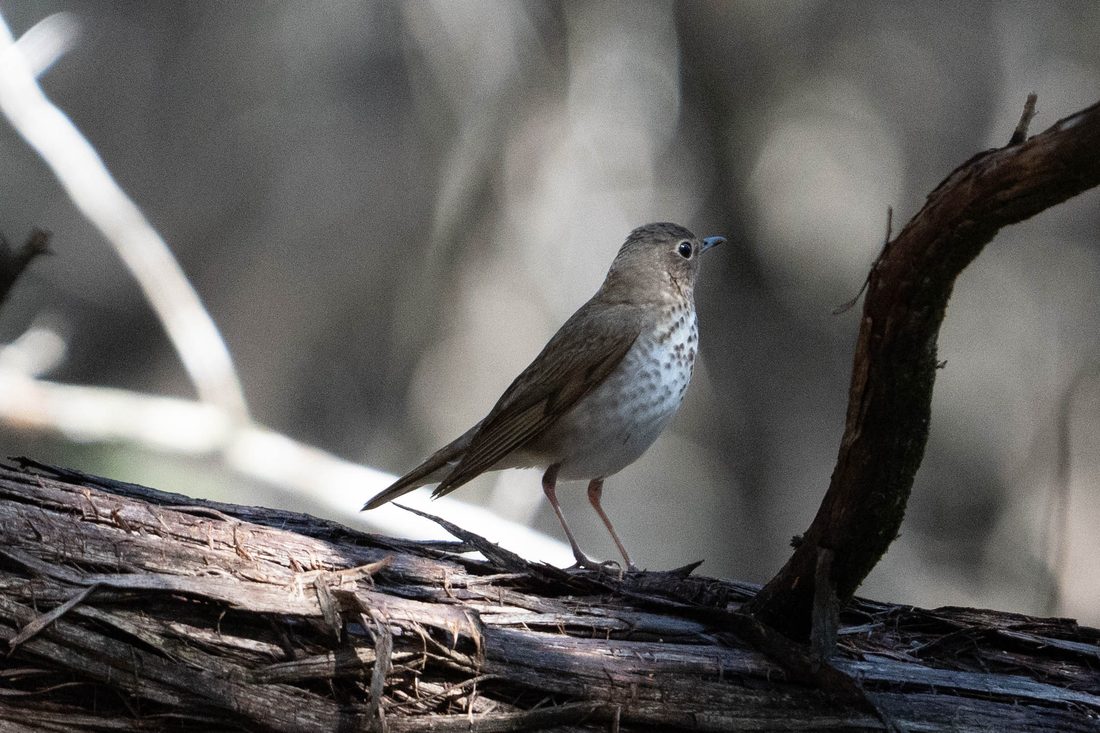
Swainson's Thrush
On 2 of our 150 spring checklistsPhoto: Austin area, Apr 2023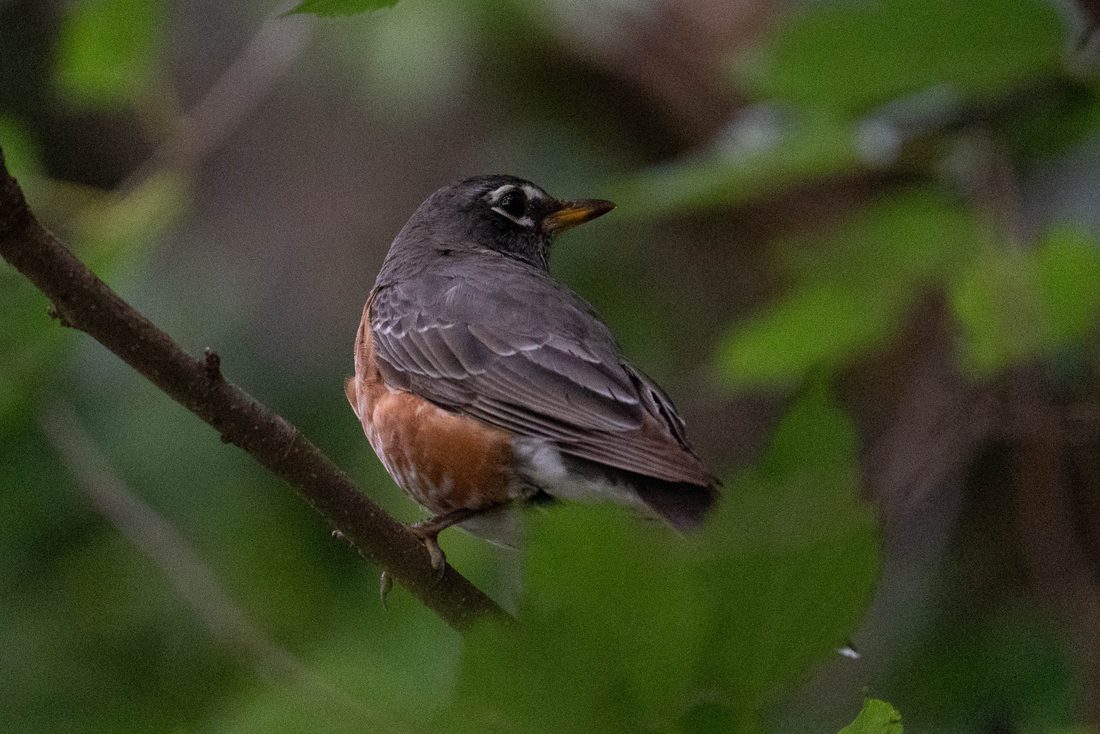
American Robin
On 11 of our 150 spring checklistsPhoto: Mills Pond, Wells Branch, May 2023Also more common in spring: Vermilion Flycatcher, Black-and-white Warbler, Least Flycatcher, Baird's Sandpiper, Purple Martin, Red-bellied Woodpecker, Eastern Bluebird, Yellow-crowned Night Heron, Bewick's Wren, Semipalmated Sandpiper, Cooper's Hawk, Double-crested Cormorant, Blue-gray Gnatcatcher, Red-eyed Vireo, Red-tailed Hawk, Painted Bunting, Ladder-backed Woodpecker, Lesser Yellowlegs, Blue Jay, Golden-fronted Woodpecker, Lesser Goldfinch, Baltimore Oriole, Summer Tanager, Northern Cardinal, Downy Woodpecker, Dickcissel, House Sparrow, Wilson's Phalarope, Carolina Chickadee, Blue-winged Teal, Canyon Wren, American Pipit, Scissor-tailed Flycatcher, Great Crested Flycatcher, Northern Mockingbird, Mourning Dove, Great Blue Heron, Spotted Sandpiper, and American Avocet.
Also on our spring lists: Eastern Phoebe, Killdeer, American Coot, Egyptian Goose, Red-winged Blackbird, Mallard, Least Sandpiper, Black-bellied Whistling-Duck, Common Raven, Snowy Egret, Black-necked Stilt, Pectoral Sandpiper, Chestnut-sided Warbler, Northern Harrier, Philippine Duck, Piping Plover, and White-faced Ibis.
On our spring lists, not photographed yet: Nashville Warbler, Brown-headed Cowbird, Black-throated Green Warbler, Golden-cheeked Warbler, Yellow-billed Cuckoo, Common Grackle, Bell's Vireo, Bronzed Cowbird, Indigo Bunting, and Gray Catbird.
Summer June to August
Painted Buntings, Black-chinned Hummingbirds, and Purple Martins stay through the summer. Black-necked Stilts and Killdeer nest at Hornsby Bend. Returning shorebirds reach Austin in August.
Sources: Travis Audubon, residents, TPWD, Travis Audubon, August forecast
74 of our 315 Texas checklists, with 98 species on them.
Most often in summer
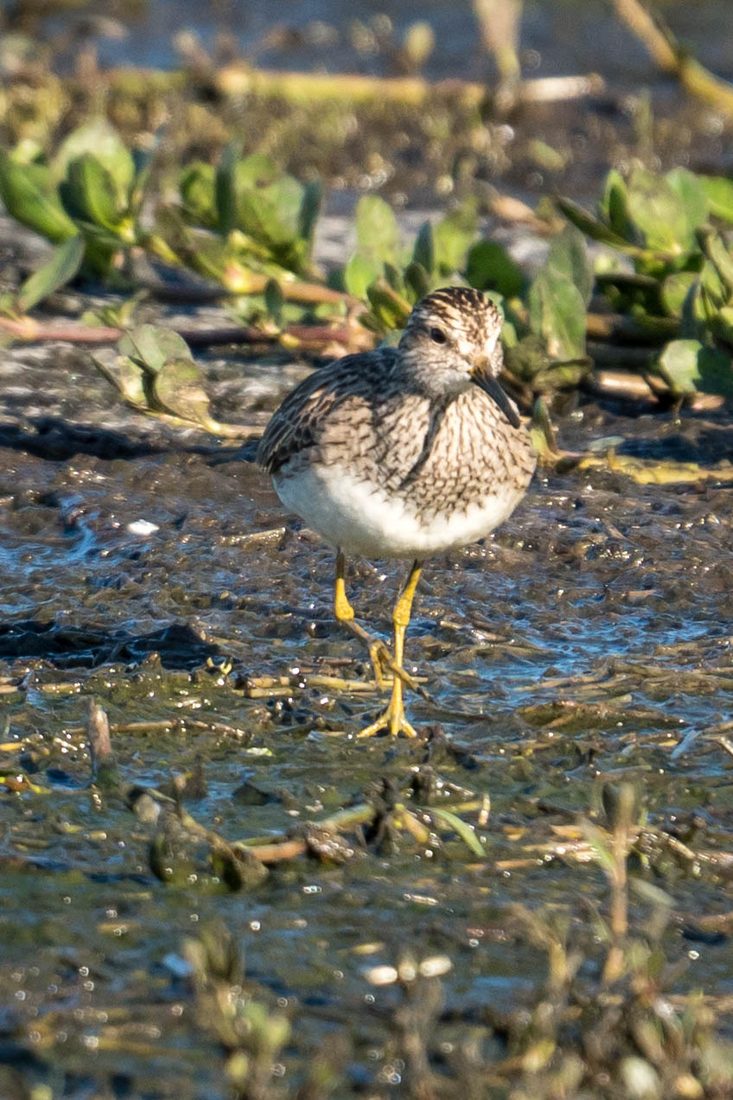
Pectoral Sandpiper
On 4 of our 74 summer checklistsPhoto: Hornsby Bend, Apr 2023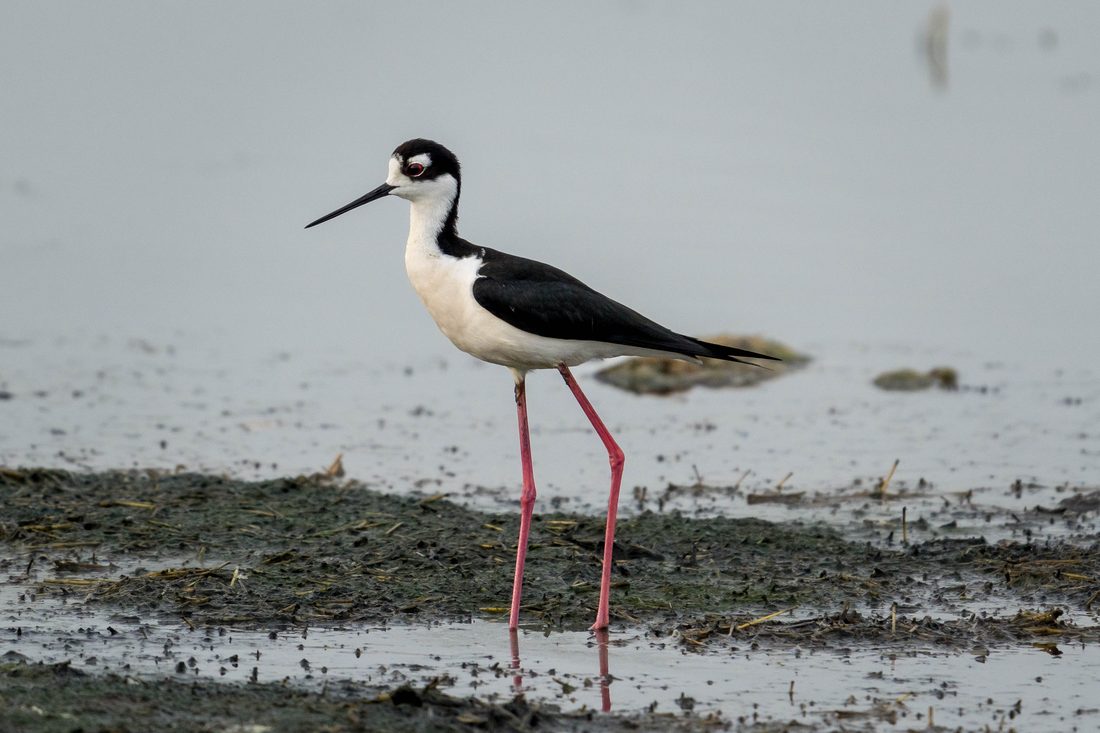
Black-necked Stilt
On 5 of our 74 summer checklistsPhoto: Hornsby Bend, May 2023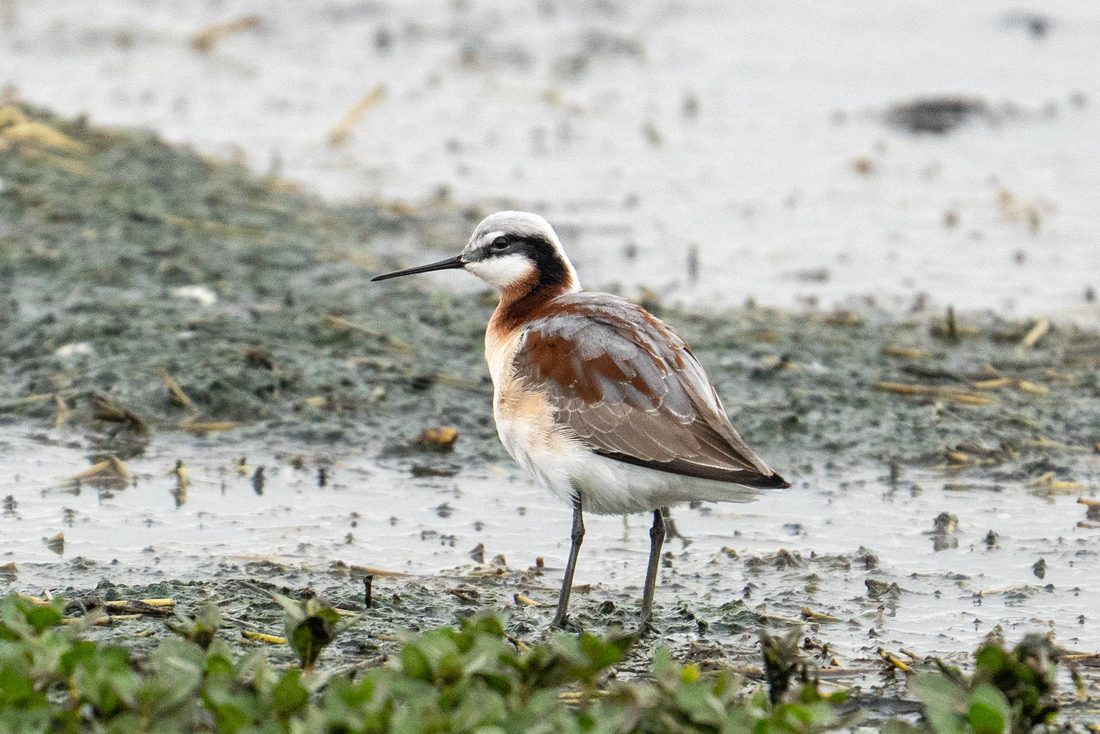
Wilson's Phalarope
On 2 of our 74 summer checklistsPhoto: Hornsby Bend, May 2023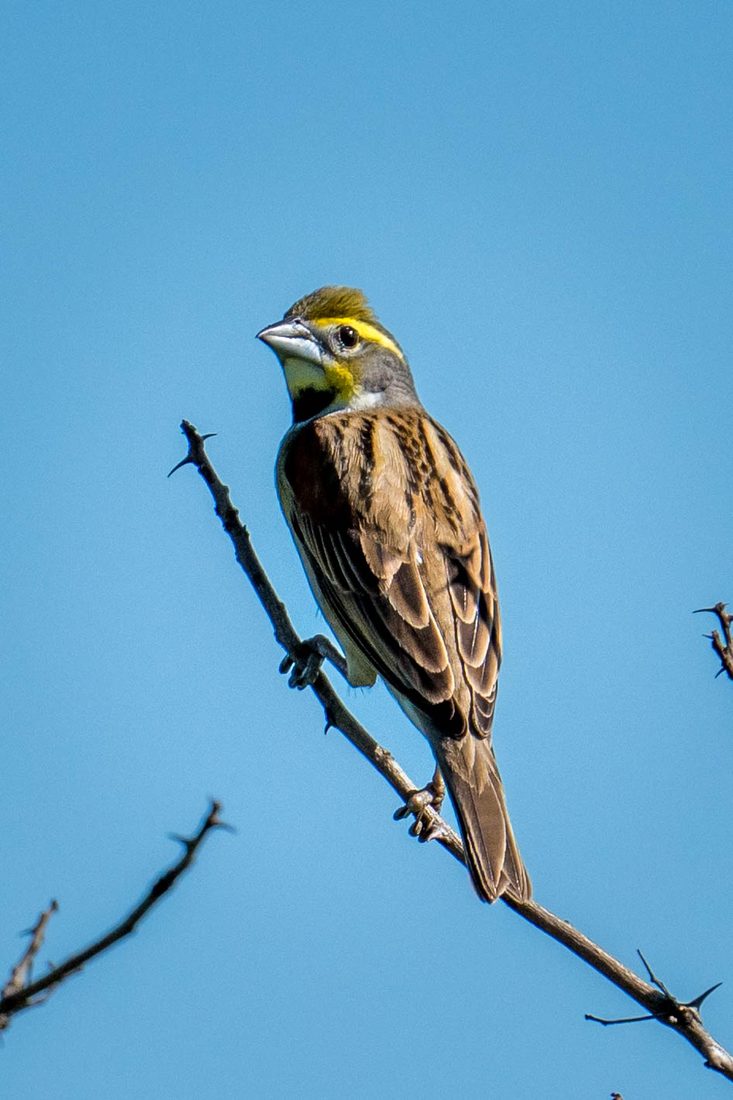
Dickcissel
On 3 of our 74 summer checklistsPhoto: Commons Ford Ranch, Apr 2023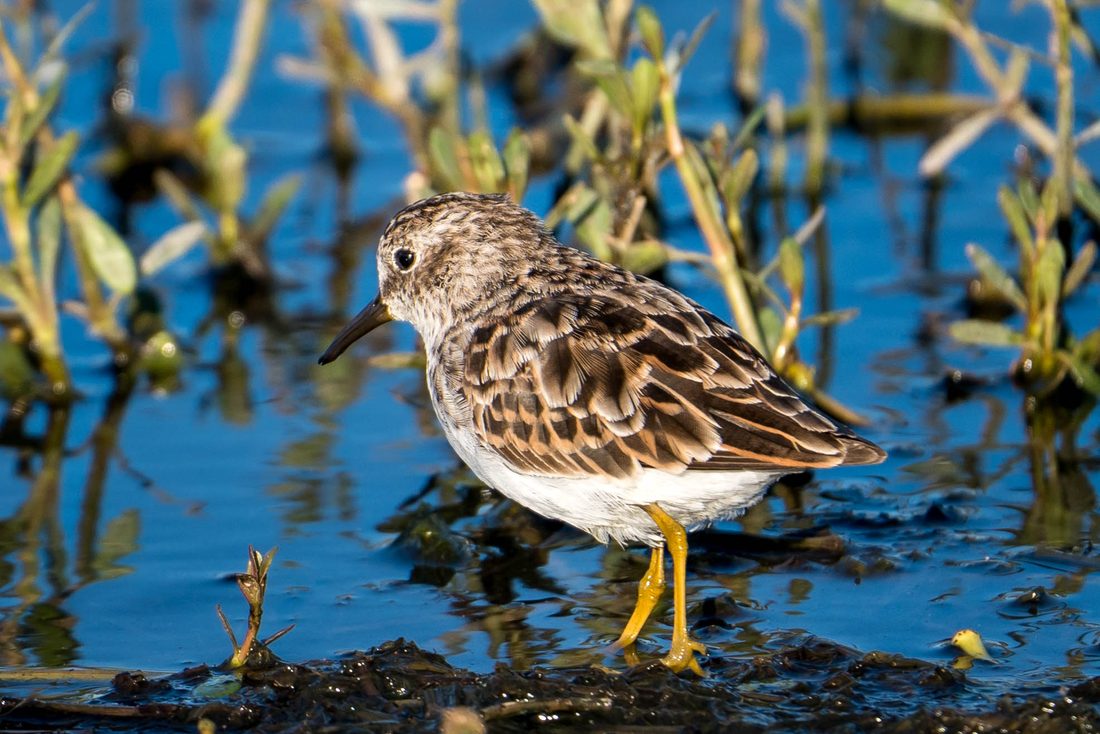
Least Sandpiper
On 10 of our 74 summer checklistsPhoto: Hornsby Bend, Apr 2023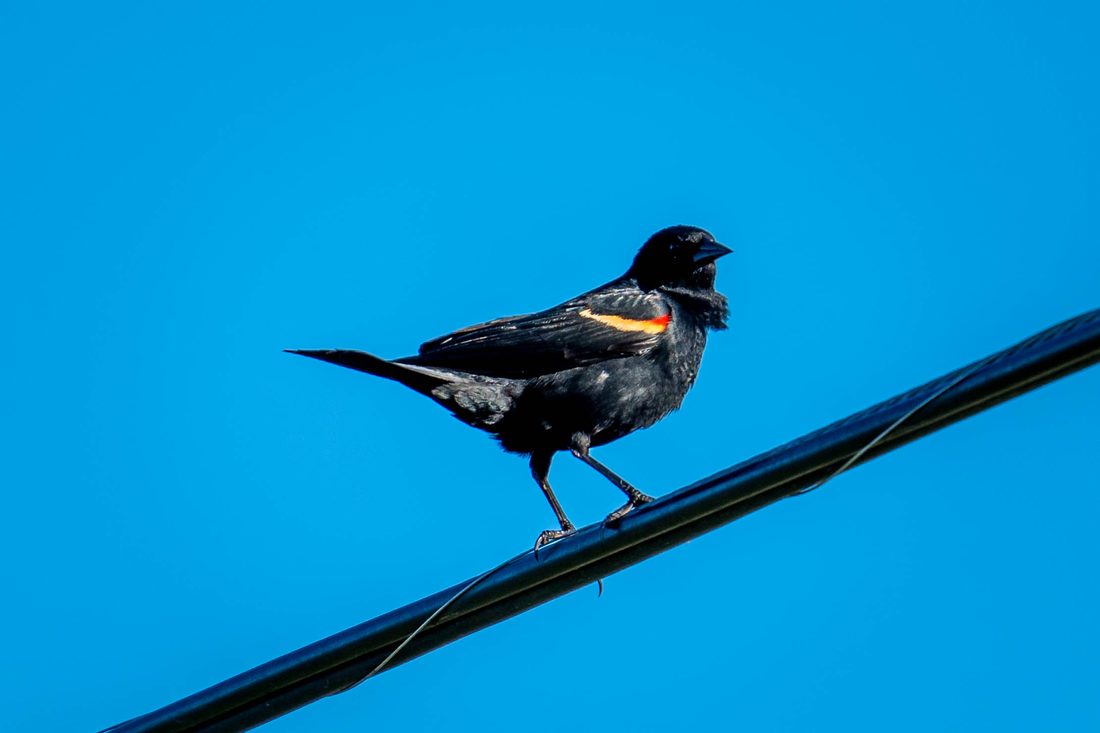
Red-winged Blackbird
On 10 of our 74 summer checklistsPhoto: Hornsby Bend, Apr 2023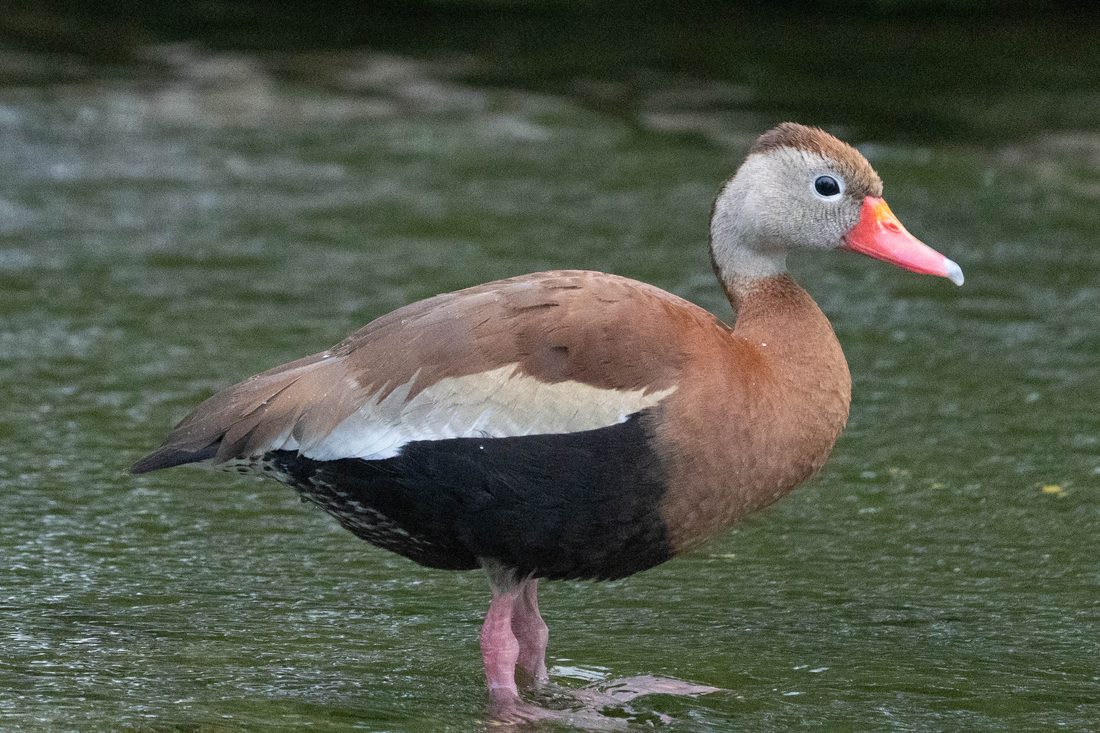
Black-bellied Whistling-Duck
On 6 of our 74 summer checklistsPhoto: Lake Creek Trail West, May 2023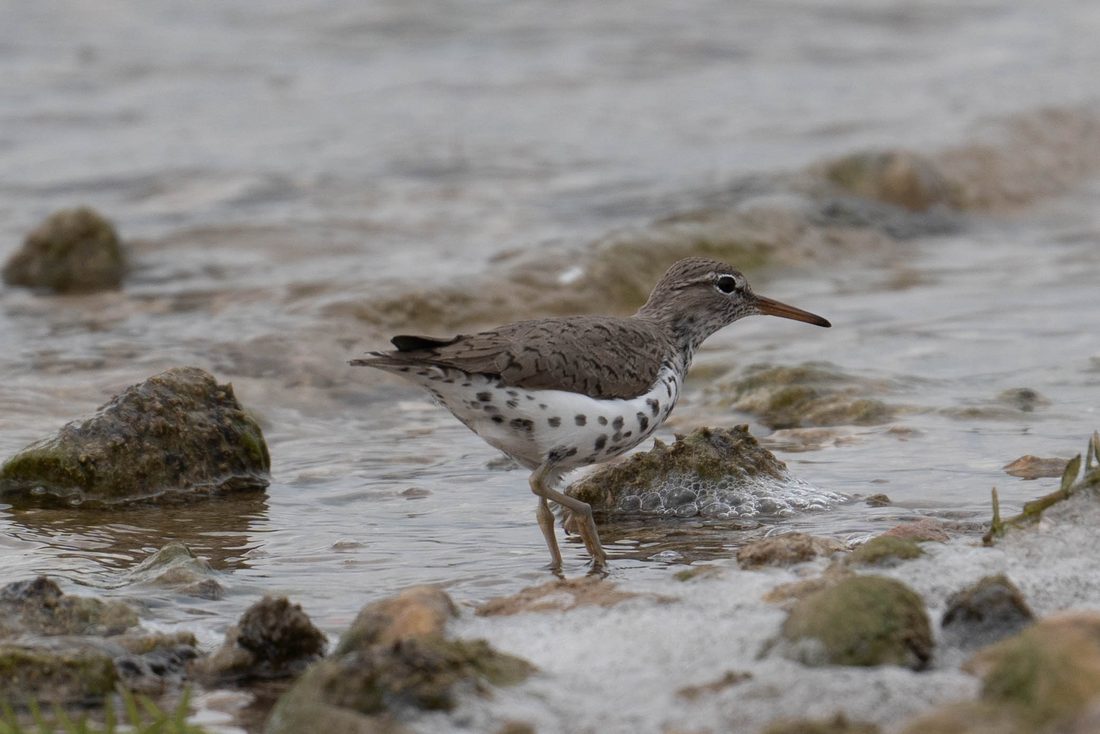
Spotted Sandpiper
On 6 of our 74 summer checklistsPhoto: Windy Point, Lake Travis, Apr 2023Also more common in summer: Common Raven, Snowy Egret, Great Crested Flycatcher, Killdeer, Scissor-tailed Flycatcher, Painted Bunting, Red-eyed Vireo, Eastern Phoebe, Mourning Dove, House Sparrow, Northern Mockingbird, Egyptian Goose, and American Avocet.
Also on our summer lists: Northern Cardinal, Blue-gray Gnatcatcher, Summer Tanager, Canyon Wren, Great Blue Heron, Lesser Goldfinch, Blue Jay, Carolina Chickadee, Blue-winged Teal, Mallard, Purple Martin, Bewick's Wren, Golden-fronted Woodpecker, Downy Woodpecker, Ladder-backed Woodpecker, Red-bellied Woodpecker, Yellow-crowned Night Heron, American Coot, Baltimore Oriole, Black-and-white Warbler, Cooper's Hawk, Eastern Bluebird, Least Flycatcher, Lesser Yellowlegs, Piping Plover, Red-tailed Hawk, Semipalmated Sandpiper, and White-faced Ibis.
On our summer lists, not photographed yet: Broad-winged Hawk, Western Cattle-Egret, Green Heron, Mississippi Kite, Barn Swallow, and Great-tailed Grackle.
Fall September to November
Fall migration in Texas starts as early as July. Hawks start moving through in late August, and their migration peaks by the second week of November. By November, ducks and coots are settling in on the Hornsby Bend ponds for the winter.
Sources: Travis Audubon, fall migration, Travis Audubon, Hornsby Bend
61 of our 315 Texas checklists, with 130 species on them.
Most often in fall
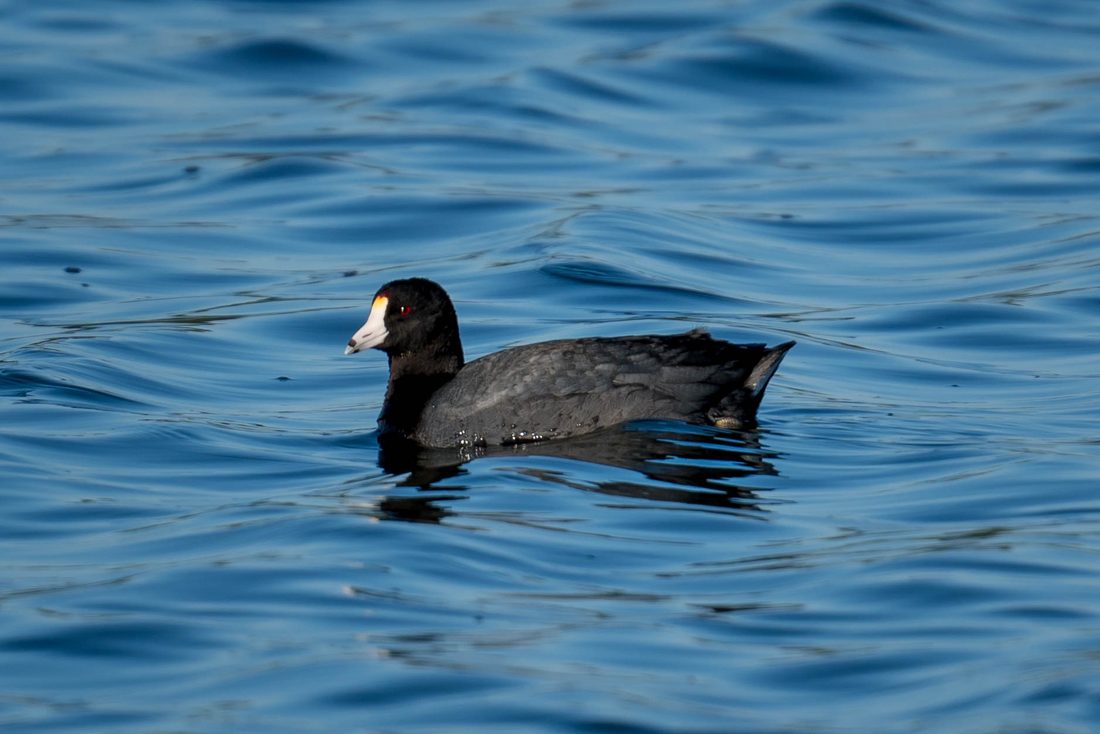
American Coot
On 15 of our 61 fall checklistsPhoto: Hornsby Bend, Apr 2023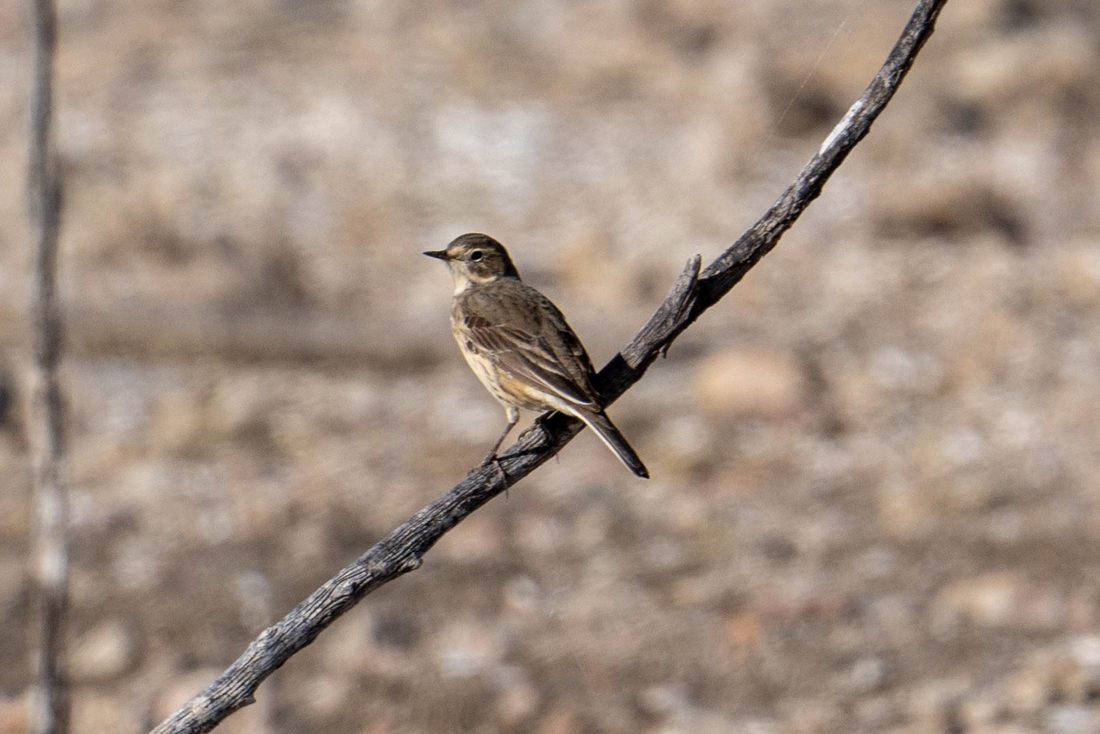
American Pipit
On 3 of our 61 fall checklistsPhoto: Windy Point, Lake Travis, May 2023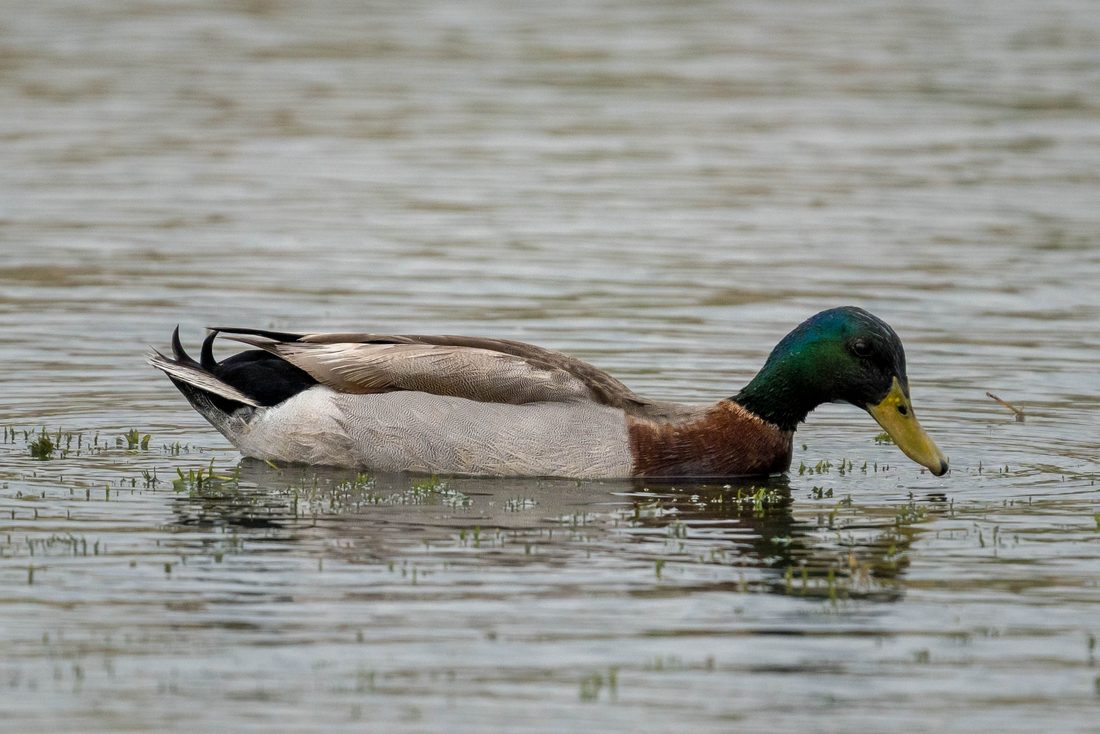
Mallard
On 8 of our 61 fall checklistsPhoto: Windy Point, Lake Travis, May 2023Least Sandpiper
On 8 of our 61 fall checklistsPhoto: Hornsby Bend, Apr 2023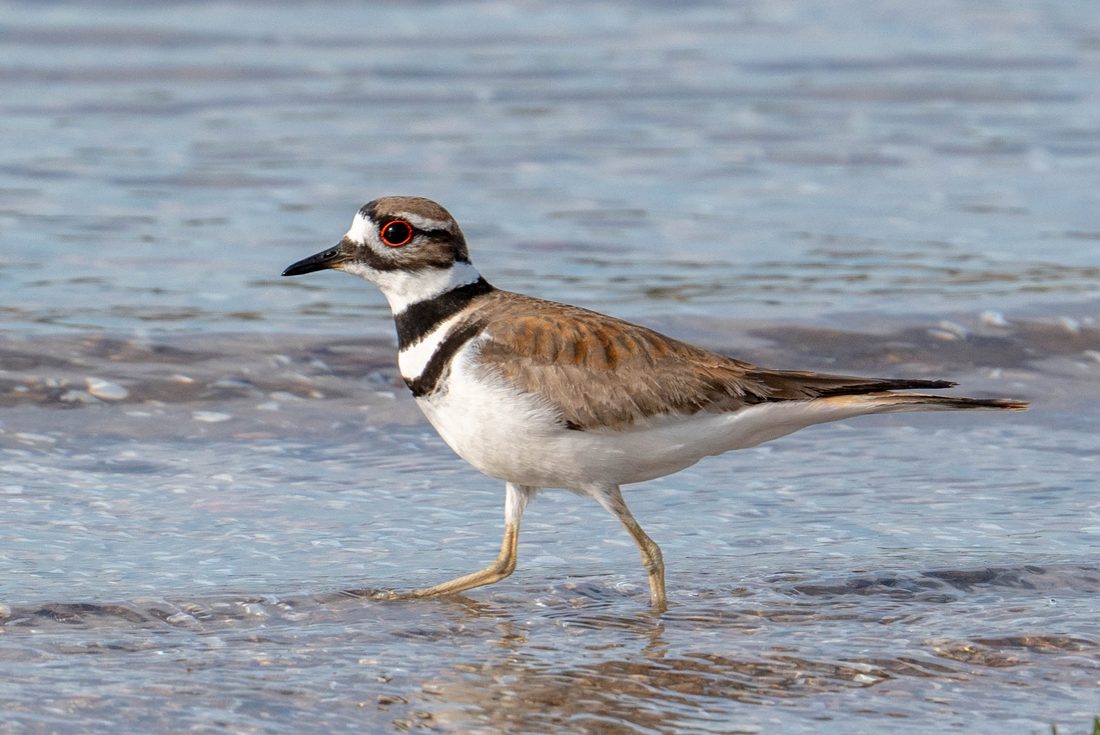
Killdeer
On 18 of our 61 fall checklistsPhoto: Windy Point, Lake Travis, May 2023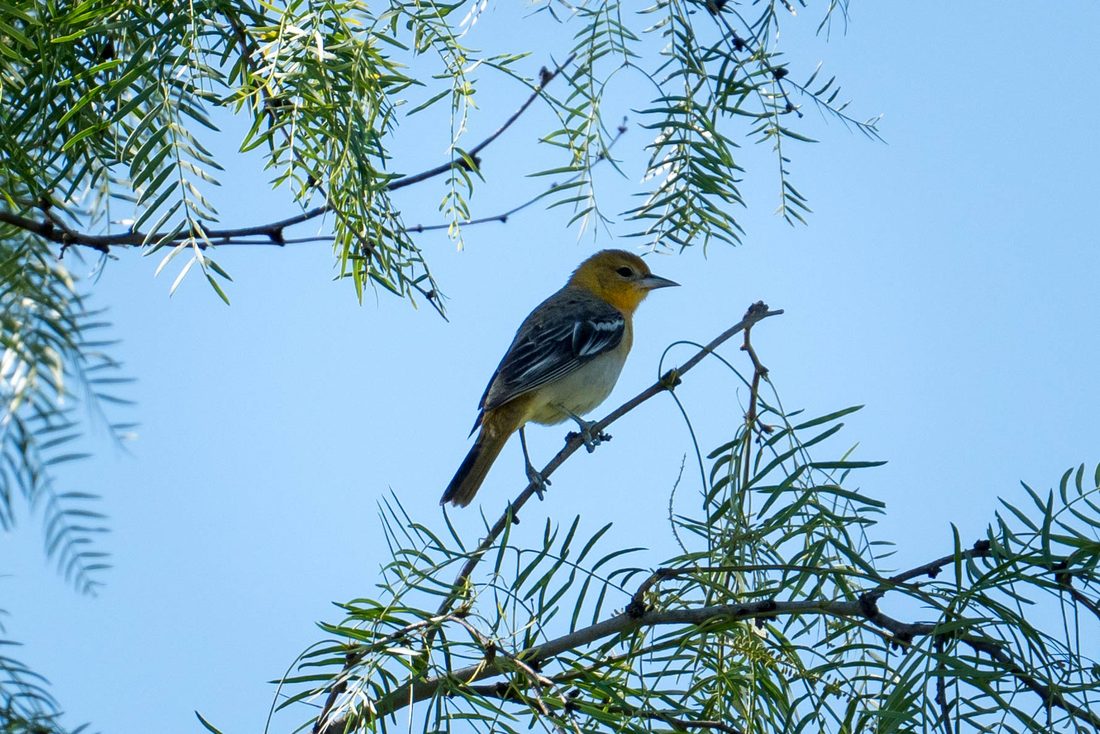
Baltimore Oriole
On 3 of our 61 fall checklistsPhoto: Commons Ford Ranch, Apr 2023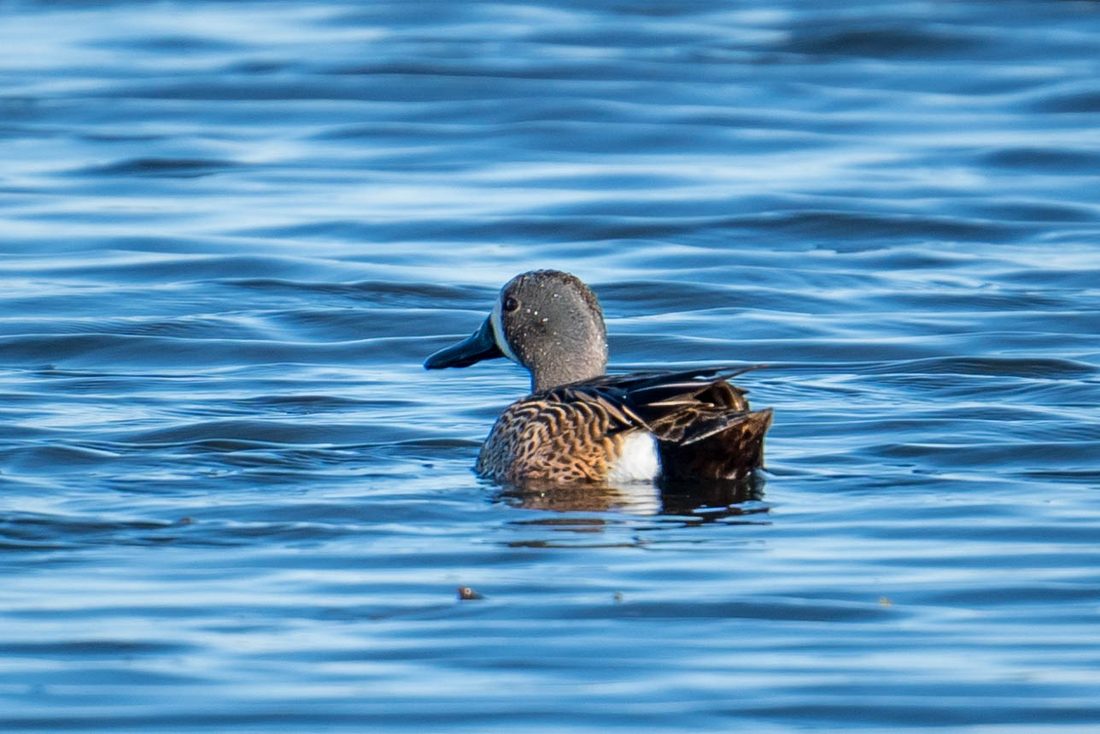
Blue-winged Teal
On 6 of our 61 fall checklistsPhoto: Hornsby Bend, Apr 2023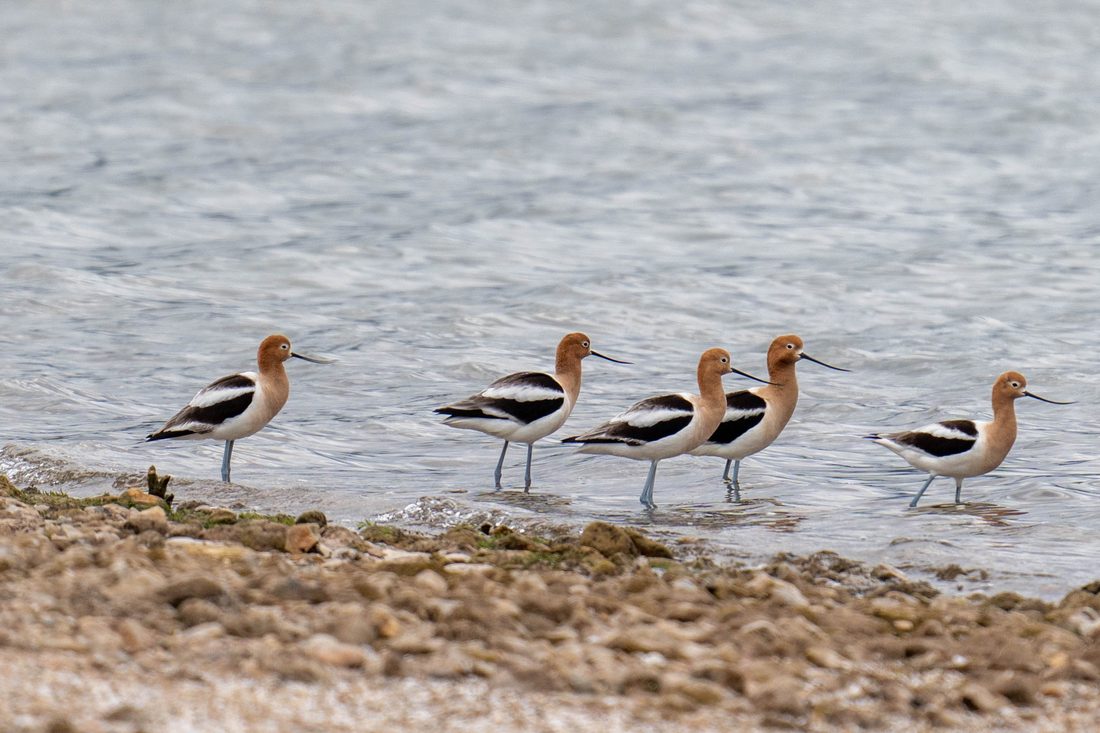
American Avocet
On 2 of our 61 fall checklistsPhoto: Windy Point, Lake Travis, Apr 2023Also more common in fall: Sanderling, Egyptian Goose, Common Raven, Eastern Phoebe, Great Blue Heron, and Snowy Egret.
Also on our fall lists: Northern Cardinal, Northern Mockingbird, Summer Tanager, Canyon Wren, Mourning Dove, Carolina Chickadee, Lesser Goldfinch, Blue-gray Gnatcatcher, Scissor-tailed Flycatcher, Bewick's Wren, Red-winged Blackbird, Black-bellied Whistling-Duck, Blue Jay, Golden-fronted Woodpecker, Ladder-backed Woodpecker, Red-tailed Hawk, Spotted Sandpiper, Baird's Sandpiper, Cooper's Hawk, Double-crested Cormorant, House Sparrow, Red-bellied Woodpecker, American Robin, Downy Woodpecker, Eastern Bluebird, Great Crested Flycatcher, Lesser Yellowlegs, Northern Harrier, and White-faced Ibis.
On our fall lists, not photographed yet: Northern Pintail, Bald Eagle, Black-bellied Plover, Western Meadowlark, Ring-necked Duck, American Kestrel, American Wigeon, Canvasback, Pied-billed Grebe, and Redhead.
Winter December to February
Thousands of ducks and coots winter on the Hornsby Bend ponds from November to March, and the Northern Shoveler is the most common. Fourteen species of sparrows winter in Central Texas and stay until late March.
Sources: TPWD, Travis Audubon, November forecast
30 of our 315 Texas checklists, with 62 species on them.
Most often in winter
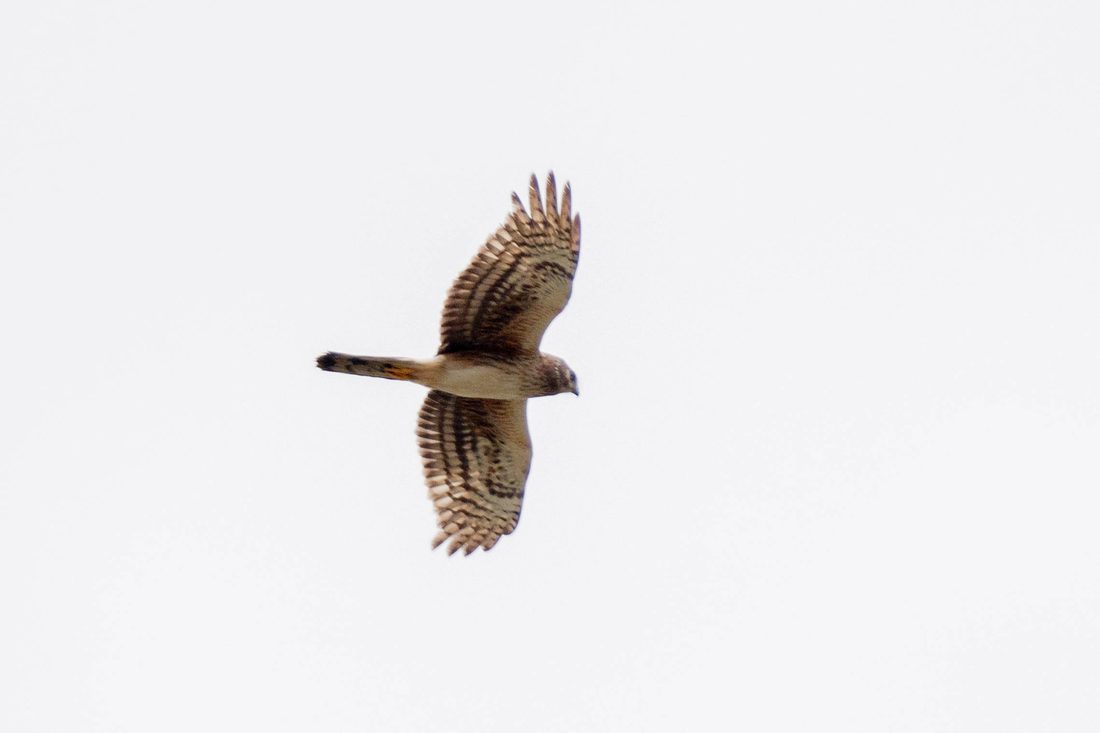
Northern Harrier
On 2 of our 30 winter checklistsPhoto: Windy Point, Lake Travis, May 2023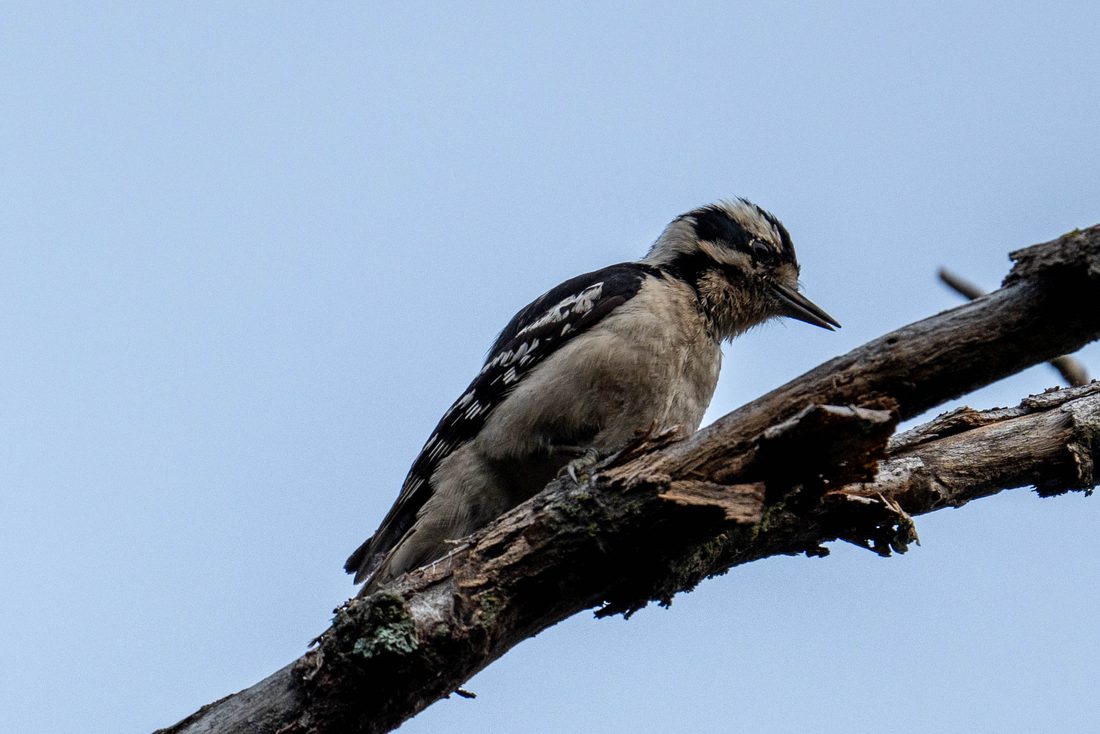
Downy Woodpecker
On 3 of our 30 winter checklistsPhoto: Mills Pond, Wells Branch, May 2023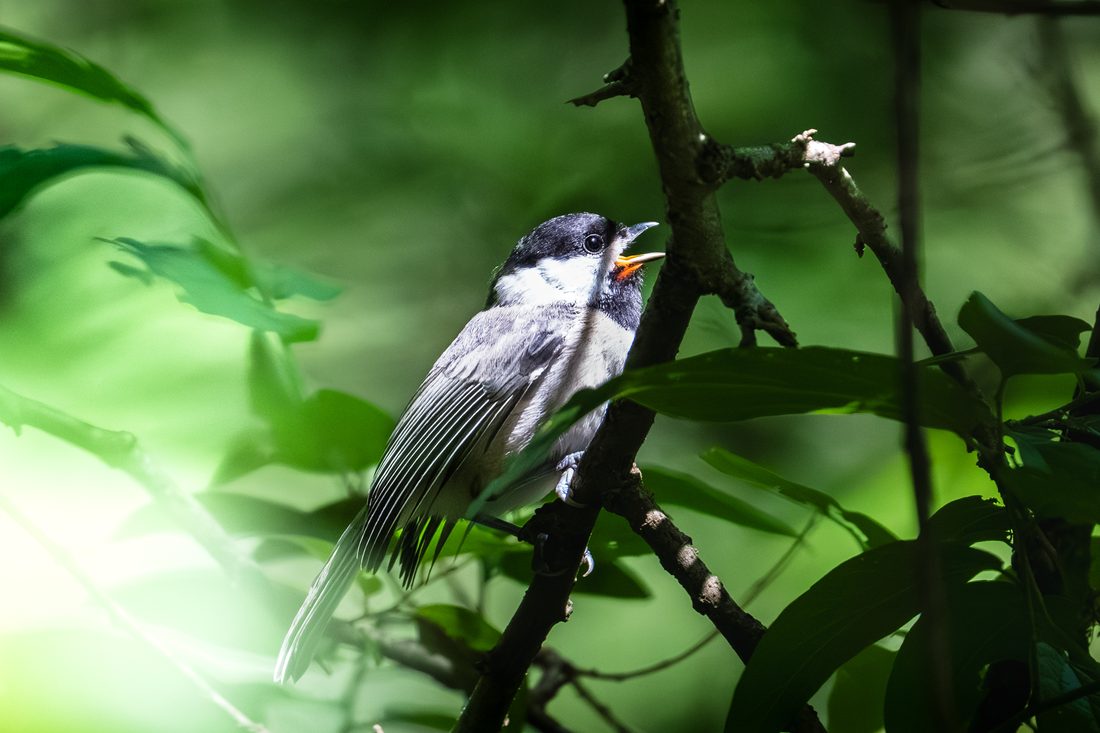
Carolina Chickadee
On 7 of our 30 winter checklistsPhoto: Mills Pond, Wells Branch, May 2025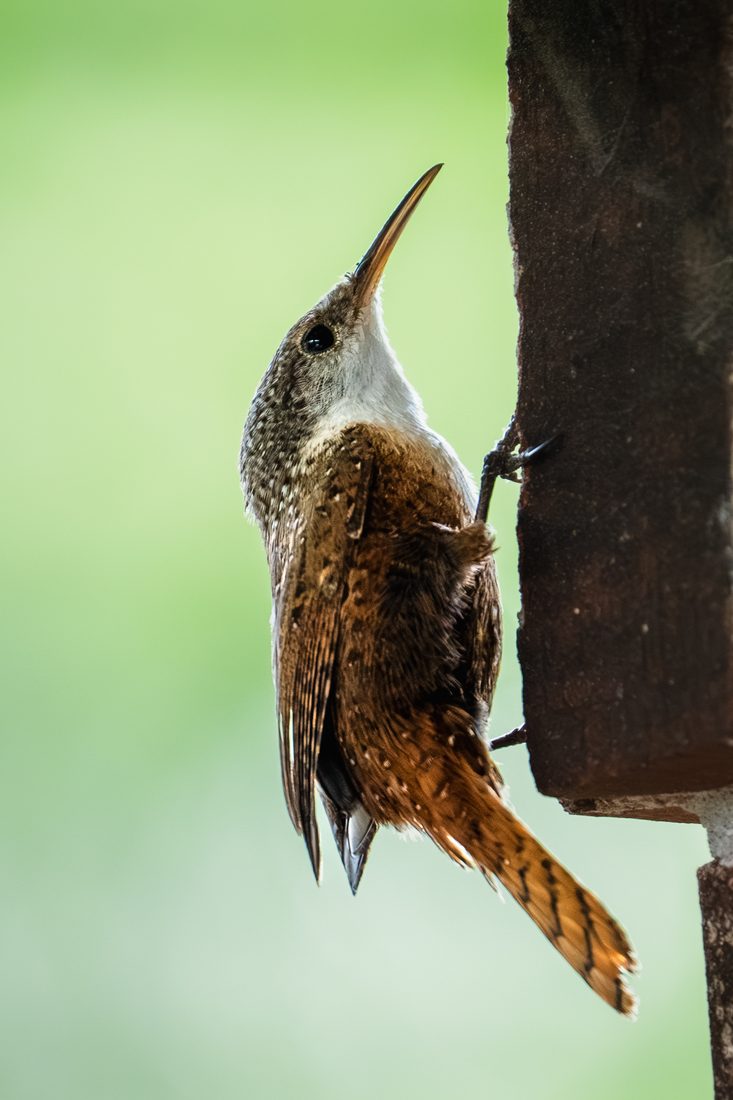
Canyon Wren
On 8 of our 30 winter checklistsPhoto: Austin area, Apr 2025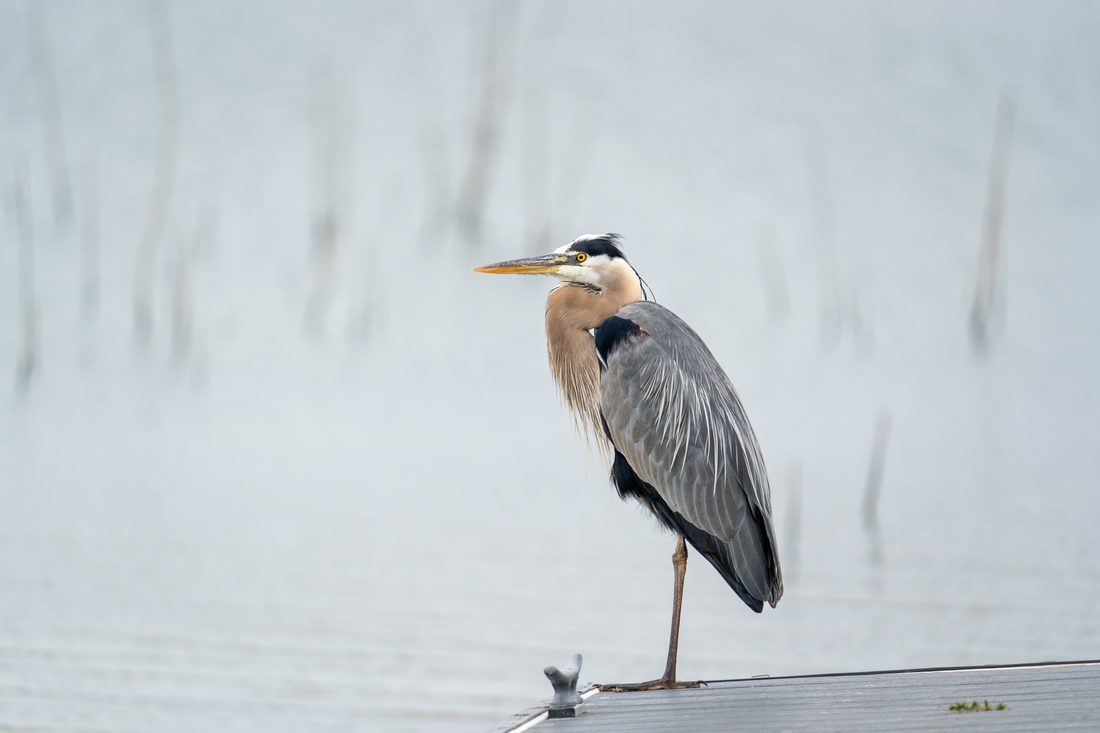
Great Blue Heron
On 6 of our 30 winter checklistsPhoto: Windy Point, Lake Travis, Apr 2023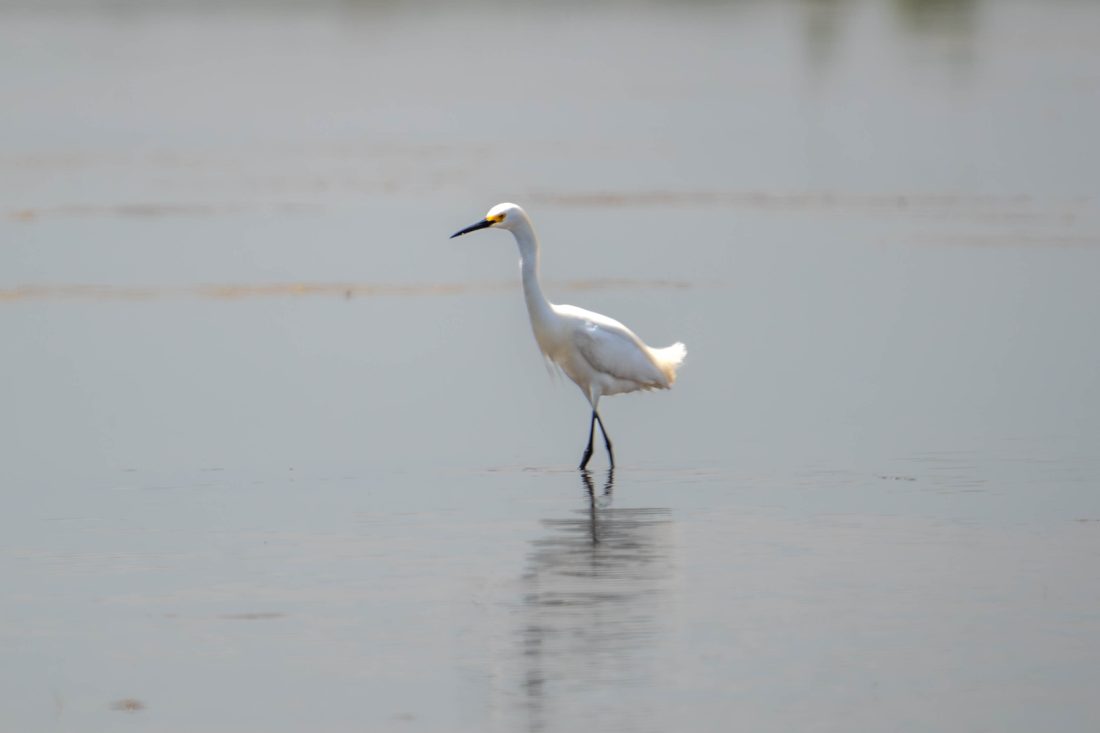
Snowy Egret
On 2 of our 30 winter checklistsPhoto: Parker River NWR, May 2024Also on our winter lists: Northern Cardinal, Lesser Goldfinch, Northern Mockingbird, Blue Jay, Eastern Phoebe, Killdeer, Red-bellied Woodpecker, Red-winged Blackbird, American Coot, Bewick's Wren, Black-bellied Whistling-Duck, Blue-gray Gnatcatcher, Common Raven, Double-crested Cormorant, Eastern Bluebird, Ladder-backed Woodpecker, Mallard, Mourning Dove, Red-tailed Hawk, and Vermilion Flycatcher.
On our winter lists, not photographed yet: Yellow-rumped Warbler, Chipping Sparrow, Cedar Waxwing, and American Kestrel.